An urgent order. A new client. A specialty material. Incorrect documentation. A strike. Public holidays. A shipment stuck in transit. This is a real production story from the label industry where every possible complication occurred and the project was still successfully delivered.
In manufacturing, especially when working with specialty materials, new clients, and extremely tight deadlines, unexpected situations are not the exception. They are part of everyday reality. This is the story of a project where nearly everything that could go wrong did.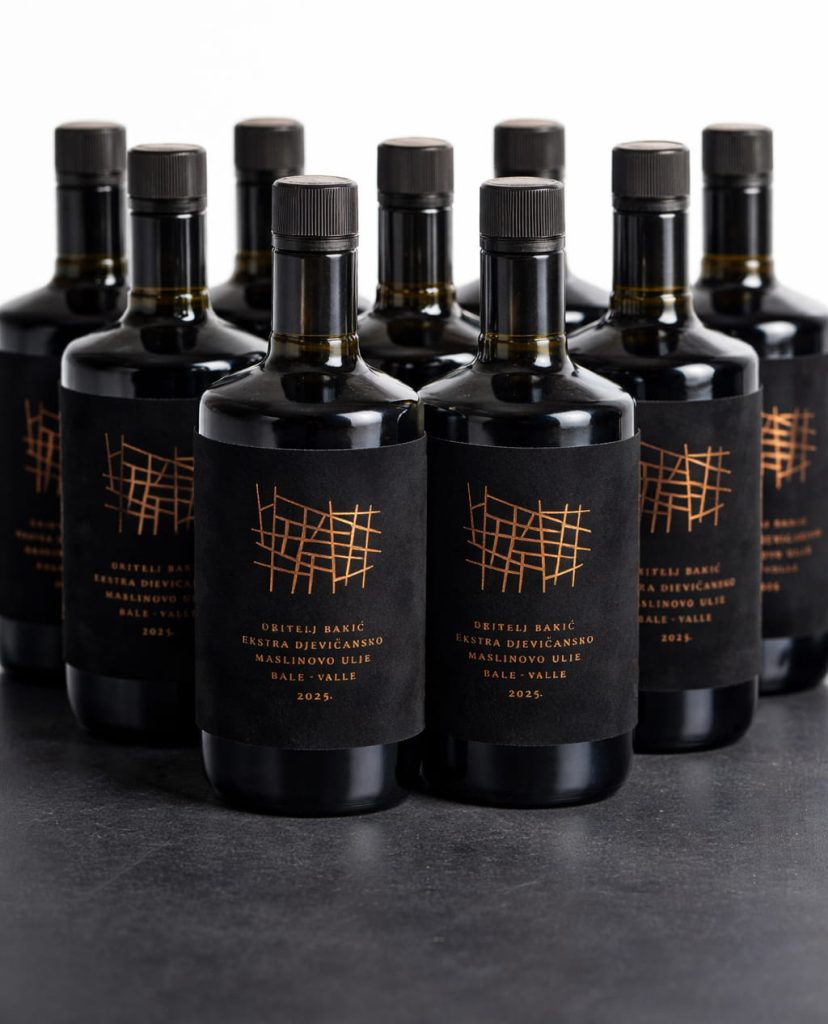
How It Started
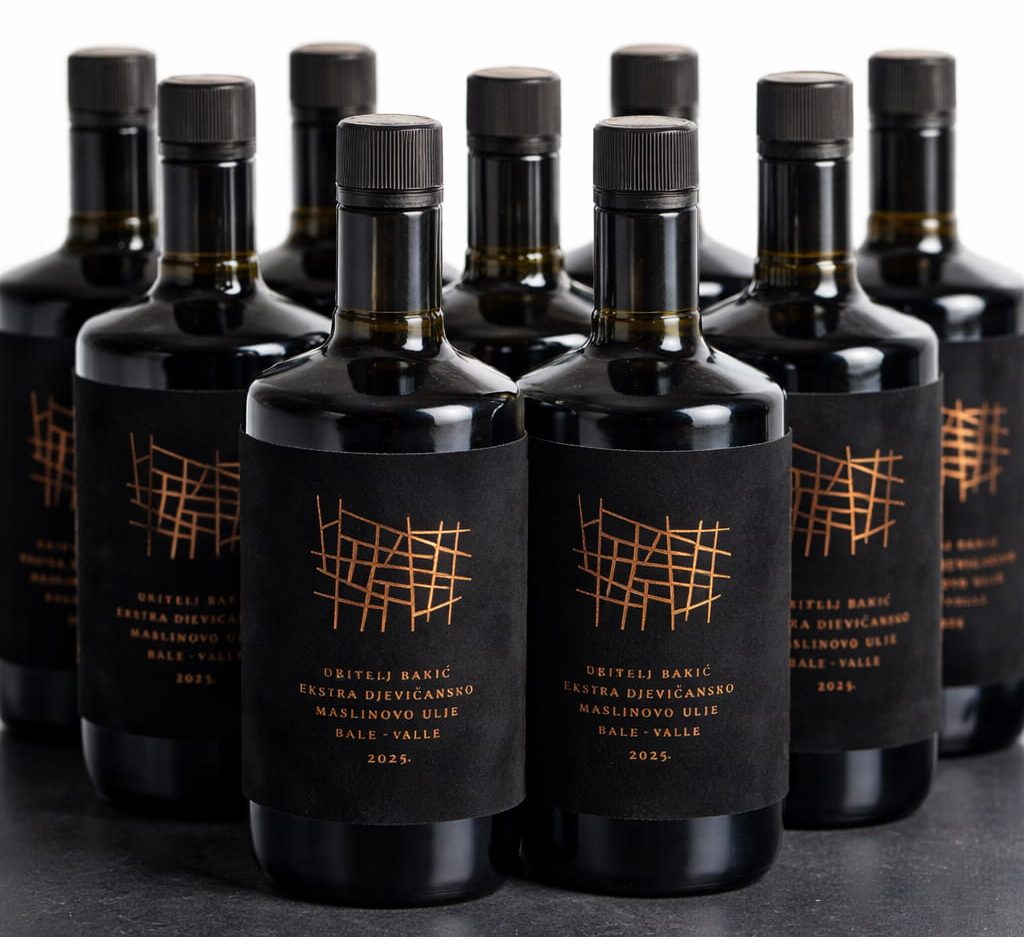
We were contacted by a designer with a highly urgent request. Labels were needed on a specialty material for an important new client, and the deadline had practically already passed. Without delay, we began organizing production. After a series of phone calls, we managed to secure a truly special material made from real fabric, sourced directly from the factory. At the same time, we ordered a die tool with precisely defined technical parameters.
We asked the tool manufacturer for express production and received confirmation that everything would be completed in record time.
At that moment, everything appeared perfectly aligned:
each step had its place. All participants in the process were available, responsive, and cooperative. The project seemed to be moving in the right direction.
First Obstacle
The material was delayed due to an unannounced strike in the delivery services of the country of origin. We contacted the client, explained the situation, and apologized. No excuses. No withholding information. Just facts and an agreement on the next steps.
Second Obstacle
The material finally arrived. The die tool was also delivered. We mounted everything on the machine and began testing.
The die did not cut.
We checked the parameters, repeated measurements, and tested different settings. According to the technical documentation, everything should have worked. In practice, it did not. After detailed analysis, we identified the cause. The material supplier’s documentation was incorrect. The material was almost twice as thick as specified, meaning the die simply could not function as designed. We called the client again, this time with even greater clarity and caution.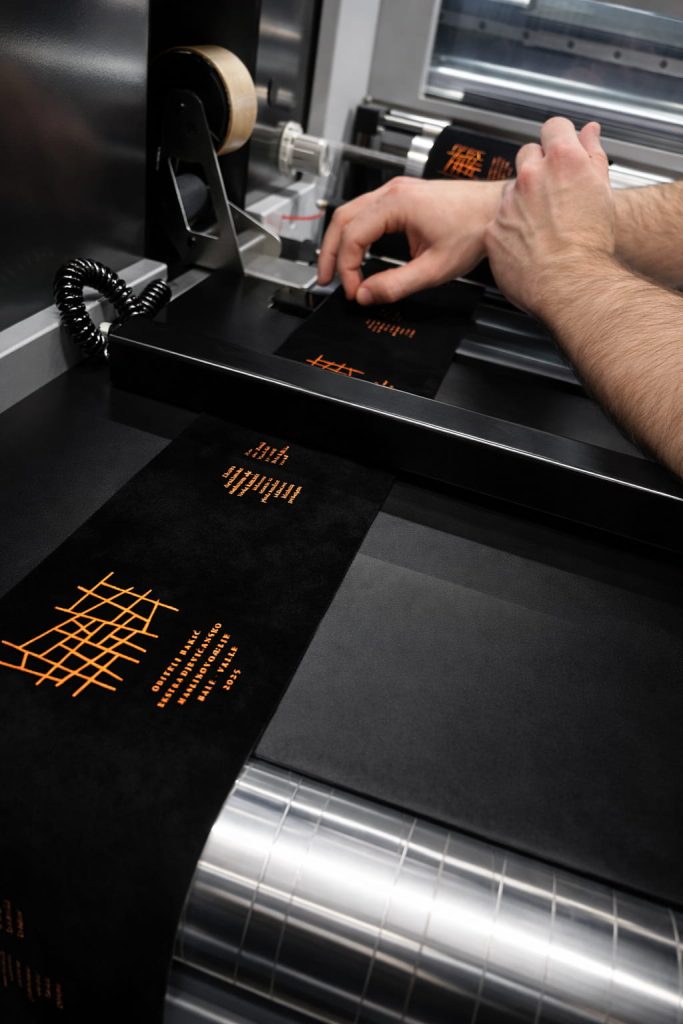
Third Obstacle
We decided to order a new die tool, again requesting urgent production. The manufacturer accommodated us and produced it the same day. The shipment was sent via DHL with a promised 24-hour delivery. The tool arrived in Croatia but was then handed over to the national postal service. For reasons unknown to us, the delivery time was extended to ten days. Another call to the client followed. At that point, we could only wonder how this sounded from their perspective and how much trust we still had left. Waiting was no longer an option. Holidays were approaching. The deadlines were real. Expectations were clear.
Back to Basics
It was then that, we returned to traditional craftsmanship methods that are rarely used today, but not forgotten.
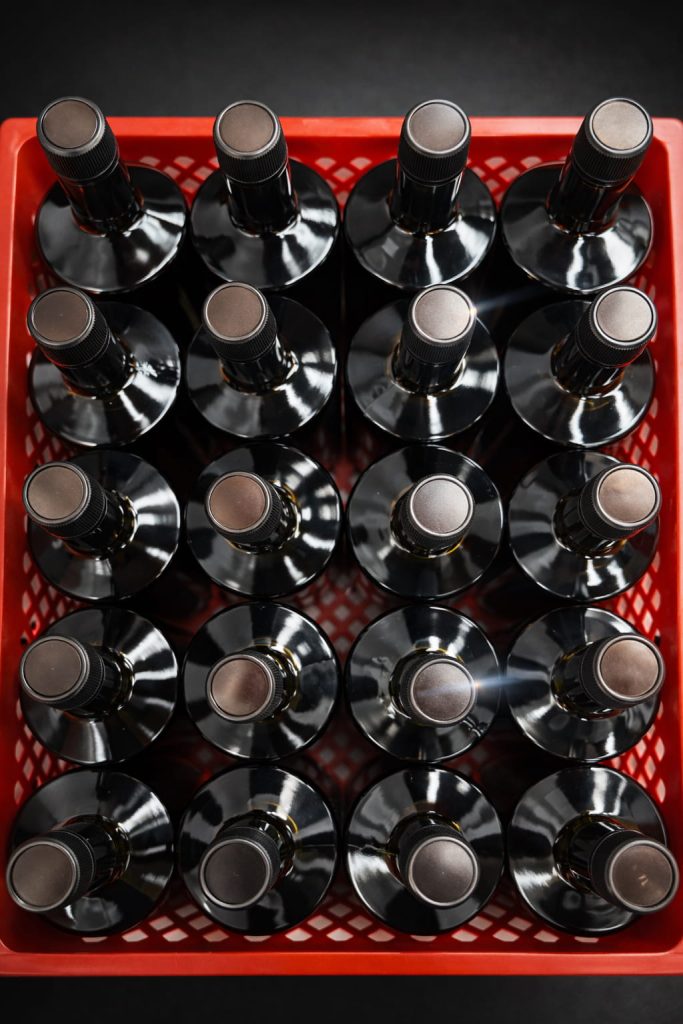
Each team member contributed their experience and expertise. Instead of die-cutting, we cut the labels manually. Dimensions were not defined by the machine but by the steady hand of an experienced operator. We collected filled bottles from the client to test material behavior and dimensional precision. The labels were applied by hand to the bottles designated for testing.
One Final Challenge
After production was completed, the labels were delivered to the bottling facility, ready for automatic application. That was when we learned their labeling machine could not apply such a rigid material either.
At that point, the project was seriously at risk.
Then the client made a crucial decision. No blame. No shifting responsibility. The labels would be applied manually. Through shared effort, flexibility, and a true partnership approach, the project was saved.